
Termite
Termite Control in Eureka, MO
Termites cause more home damage in Missouri than fire and storms combined.
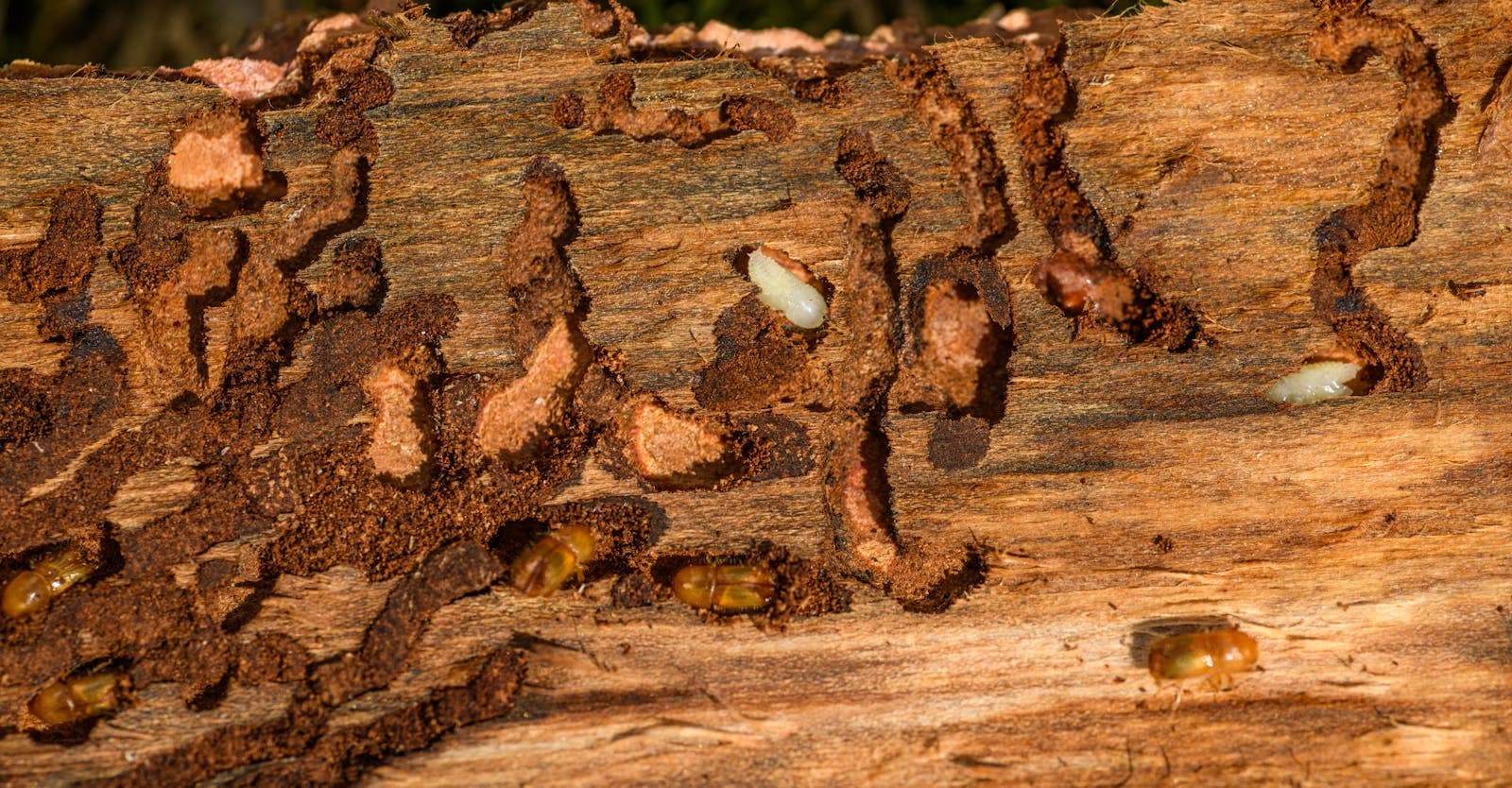
Missouri sits squarely in the heaviest termite pressure zone in the United States. Eastern subterranean termites — the species responsible for nearly every infestation around Eureka, Wildwood, Pacific, Ballwin, and Chesterfield — work silently for years before homeowners notice a problem. By the time you see mud tubes on a foundation wall or a hollow-sounding floor joist, the colony has already done its work.
Roger's has been treating termites in St. Louis County since 1968. Three generations have walked the same crawl spaces and basements, and we know every place a colony is likely to hide in a Missouri home — the sill plate, the floor joists above the foundation, behind finished basement walls, around the bath trap, inside porch piers. A real termite inspection means crawling, probing, and pulling back insulation. It is not a 10-minute walk-around.
How Roger's treats it
A simple, transparent process.
- 01
1. Free Inspection
We crawl, probe, and document. You get a written report showing exactly where activity is, where conducive conditions exist, and what the treatment plan looks like. No high-pressure sales, no surprises.
- 02
2. Targeted Treatment
Liquid termiticide applied to the soil around the foundation creates a continuous treated zone. For active interior galleries, we treat directly. Where appropriate, we install in-ground bait stations for long-term monitoring.
- 03
3. Annual Re-inspection
Most Missouri termite treatments include an annual inspection. We come back, re-check the treated zone, look for any new activity, and document everything in writing for your records.
What we treat
Specific pests, specific solutions.
- Eastern subterranean termites (the species responsible for the vast majority of MO infestations)
- Swarmers / reproductive termites (often confused with flying ants in spring)
- Drywood termites (rare in our region but identified and treated when present)
- Active mud tubes on foundation walls, sill plates, and floor joists
- Damaged or hollow-sounding wood members
- Conducive conditions: wood-to-soil contact, moisture issues, mulch against siding
Signs you have a problem
What to watch for.
- Mud tubes — pencil-thin tunnels of dirt on foundation walls or in the crawl space
- Discarded wings near windowsills or light fixtures, especially in March–May
- Wood that sounds hollow when tapped, or floors and trim that feel soft
- Bubbling or rippling paint on baseboards (looks like water damage)
- Frass — small piles of pellet-like debris near wood surfaces
- Stuck windows and doors that suddenly won't close right
Safety
Safe for pets, kids, and gardens.
All termiticides we use are EPA-registered and applied by Missouri-licensed technicians. Liquid treatments are placed below grade where pets and kids never come into contact with them. Bait stations are sealed, locking, and tamper-resistant.
Pricing
Free inspection. Written quote. No surprises.
Every property is different, so we don't give prices over the phone. The inspection is free and the quote is written.
FAQ
Termite questions
How much does termite treatment cost in Missouri?
Most full-home termite treatments in our area run between $900 and $2,500, depending on house size, foundation type, and whether finished basements need access. We give you a written quote after the free inspection — never a price over the phone, because every home is different.
Will my homeowner's insurance cover termite damage?
Almost certainly not. Standard homeowner's policies in Missouri exclude termite damage as a maintenance issue. That's exactly why prevention and annual inspections matter — and why we include written re-inspection reports.
Do I need a termite treatment when selling my home?
Most mortgage lenders in MO require a WDIR (Wood Destroying Insect Report) before closing, especially for FHA and VA loans. We do these inspections and can treat any active findings before closing.
How long does termite treatment last?
A properly applied liquid termiticide barrier lasts 5–10 years depending on the product and soil conditions. Bait stations are an ongoing monitoring system. We tell you up front which is right for your home.
Where we work
Termite Control across our service area.
Bugs in your house? Let's get them out.
Free inspection. Honest quote. Mon–Fri 8:30 AM – 5:30 PM or leave a voicemail anytime.